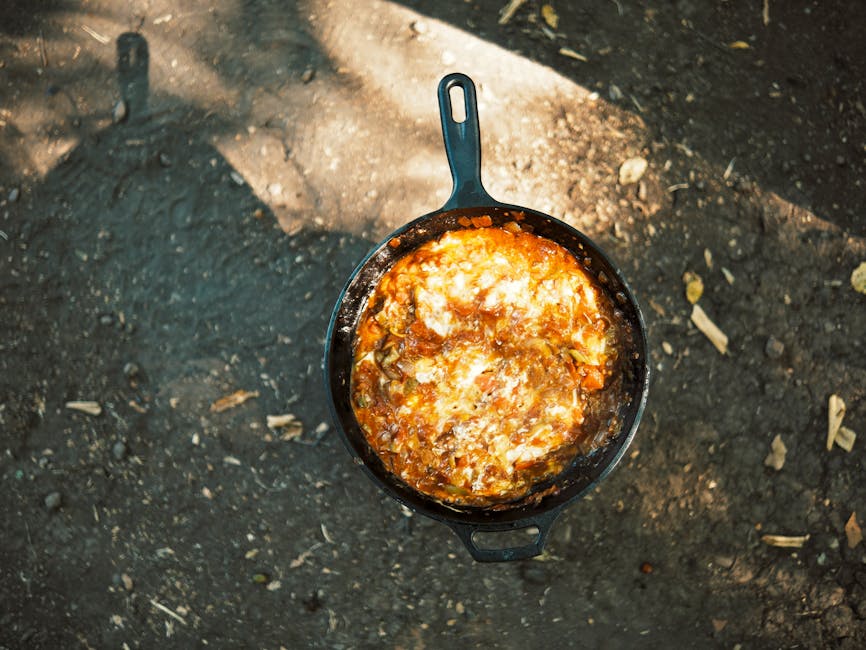
# I ruined my first cast iron skillet. Totally my fault. I used olive oil, cranked the oven to 500°F, and ended up with a sticky, gummy mess that took three re-seasoning sessions to fix. If you’re here, you probably want to skip that whole experience.
Season cast iron with grapeseed oil or Crisco shortening at 450–500°F, applying a paper-thin layer and buffing it nearly dry before baking for one hour. Repeat three to four times to build a durable non-stick coating that won’t flake or rust with regular cooking use.
Seasoning cast iron isn’t rocket science. But there’s a specific way to do it, and a lot of advice online is either wrong or weirdly vague. I’ve been cooking on cast iron for about eight years, tested different oils and temps, and have strong opinions about what actually works.
Here’s what does.
## What Seasoning Actually Means
First, let’s clear something up. Seasoning isn’t flavor. It’s not about salt or spices. Seasoning is a thin layer of polymerized oil that bonds to the iron surface and creates a slick, protective coating. Think of it like a non-stick layer you build yourself, one thin coat at a time.
When oil gets hot enough, it stops being oily and turns into a hard, plastic-like surface. That’s polymerization. Too much oil? You get gummy buildup instead of that hard layer. Too low a temperature? The oil never fully polymerizes. Both are common mistakes.
## The Best Oil for Cast Iron (And What to Skip)
This is where people go wrong the most. Olive oil is not the move. Its smoke point is too low (around 375°F), and it doesn’t polymerize cleanly at higher temps. I learned this the hard way.
The best options:
– **Crisco shortening** — old-school, works incredibly well, what Lodge recommends
– **Flaxseed oil** — high in omega-3s, polymerizes into a very hard layer, but it can flake if applied too thick
– **Grapeseed oil** — my personal go-to. Smoke point around 420°F, neutral taste, applies thin easily
– **Vegetable oil** — solid budget choice, widely available
Avoid anything with a low smoke point. Butter, coconut oil, olive oil — not for seasoning. Save those for cooking.
## The Step-by-Step Seasoning Process
Here’s exactly what I do. This works on new skillets, restored antique pans, and anything that’s gotten rusty or patchy.
1. **Preheat your oven to 450–500°F.** Yes, that hot. You need it.
2. **Wash the skillet** with warm soapy water and dry it completely. For new pans, this removes the factory coating. Dry it on the stovetop over low heat for a few minutes to make sure there’s zero moisture.
3. **Apply a tiny amount of oil** all over the pan — inside, outside, handle, everything. Use a paper towel or cloth to rub it in.
4. **Buff it back off.** This is the step everyone skips. The pan should look almost dry. No pooling. No shine. Just a very thin film.
5. **Place it upside down in the oven** on the middle rack with a sheet of foil on the lower rack to catch drips.
6. **Bake for one hour.** Let it cool in the oven.
Repeat this 3–4 times for a new pan. In our experience, three rounds gives you a solid base layer that won’t wipe off during cooking.
## How Often Should You Re-Season?
Honestly? Rarely, if you cook on it regularly. Cooking bacon, searing chicken thighs, frying potatoes — all of that adds to your seasoning naturally. Cast iron gets better with use. That’s the whole point.
You’ll know it’s time to re-season when food starts sticking in spots, the surface looks dull or patchy, or you see rust forming. Rust isn’t the end of the world. Scrub it off with steel wool, wash, dry completely, and start the seasoning process over.
## Common Mistakes That Ruin Your Seasoning
I’ve made most of these myself:
– **Too much oil.** Gummy buildup. Always buff it off.
– **Soaking in water.** Cast iron and standing water are enemies. Wash fast, dry immediately.
– **Dishwasher.** Never. Not once. Ever.
– **Cooking acidic foods too early.** Tomatoes and citrus can strip new seasoning. Wait until your layers are built up.
– **Wrong temperature.** Below your oil’s smoke point means it never fully sets.
My Lodge 10.25-inch skillet has been in rotation for six years. It’s nearly as slick as my All-Clad stainless on a good day. That’s not magic — it’s just consistent use and occasional touch-up seasoning.
## Maintaining That Seasoning Long-Term
After cooking, rinse while warm, scrub with a stiff brush or chainmail scrubber (I use the Ringer Cast Iron Cleaner — worth every penny), dry on the stovetop, and add a tiny drop of oil before putting it away. That’s it. Five minutes max.
Don’t overthink the storage either. Keep it somewhere dry. Stack pans with a paper towel between them if you’re tight on space.
Cast iron is forgiving once you understand it. The learning curve is short, and the payoff is a pan that could literally outlast you. My grandmother’s Griswold skillet is still in use. That’s the kind of cookware worth understanding.
Get the oil thin, get the oven hot, and build those layers. You’ll have a skillet that works better every single year.