# Enameled Cast Iron vs Bare Cast Iron: Which Belongs in Your Kitchen
Bare cast iron belongs in your kitchen if you sear steaks and fry cornbread; enameled cast iron like Le Creuset wins for acidic braises and stews. Choose bare cast iron for high-heat cooking and superior crust, or enameled for low-maintenance braising without seasoning concerns.
I’ve burned my hand on both. I’ve also made some of the best food of my life in both. But after years of cooking with everything from a $20 Lodge skillet to a $400 Le Creuset Dutch oven, I have some strong opinions about which one actually belongs in *your* kitchen — and the answer isn’t as obvious as most people think.
*Heads up: some links below are affiliate links — if you buy, we get a small cut at no extra cost to you.*
—
## What’s Actually Different Between the Two
Let’s get the basics out of the way fast.
Bare cast iron is exactly what it sounds like — raw iron, usually seasoned with layers of polymerized oil that build up over time and create a naturally non-stick surface. Think Lodge, Griswold, Field Company. Heavy. Utilitarian. Has a certain romance to it that I fully admit is part of the appeal.
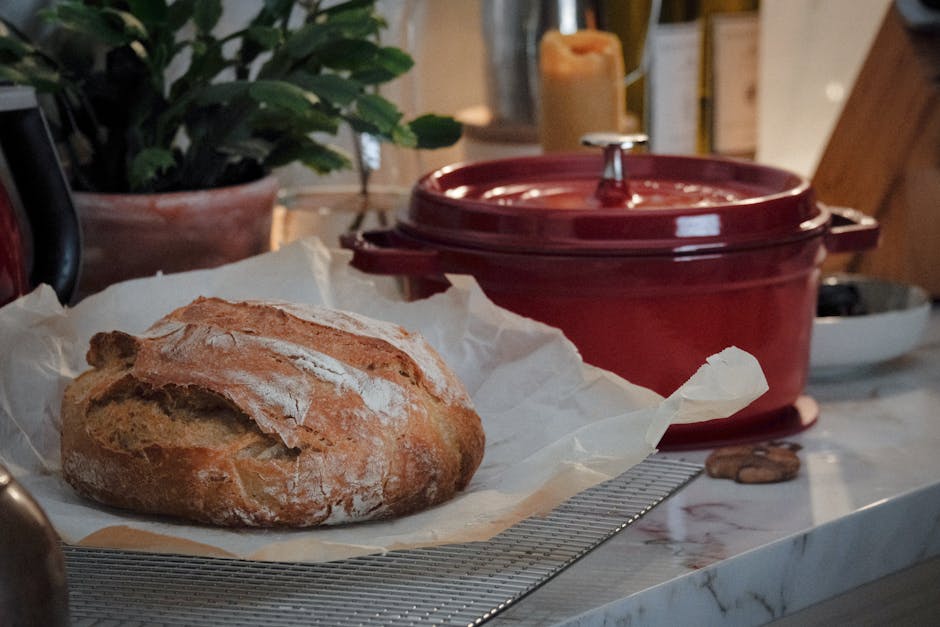
Enameled cast iron is the same dense iron core, but coated with a layer of porcelain enamel — essentially baked-on glass. Le Creuset and Staub are the big names here. That coating changes almost everything about how you use it and care for it.
The iron underneath is functionally the same. The experience of cooking with them? Pretty different. One requires a relationship. The other is more of a transactional situation.
—
## Cooking Performance: Where Each One Wins (and Loses)
Both types retain heat beautifully. That’s the whole point of cast iron. You’re not getting a thin stainless pan that scorches one side of your steak and leaves the other pale. Cast iron holds heat evenly and stays hot when you drop cold food in — crucial for a proper sear.
But here’s where they diverge.
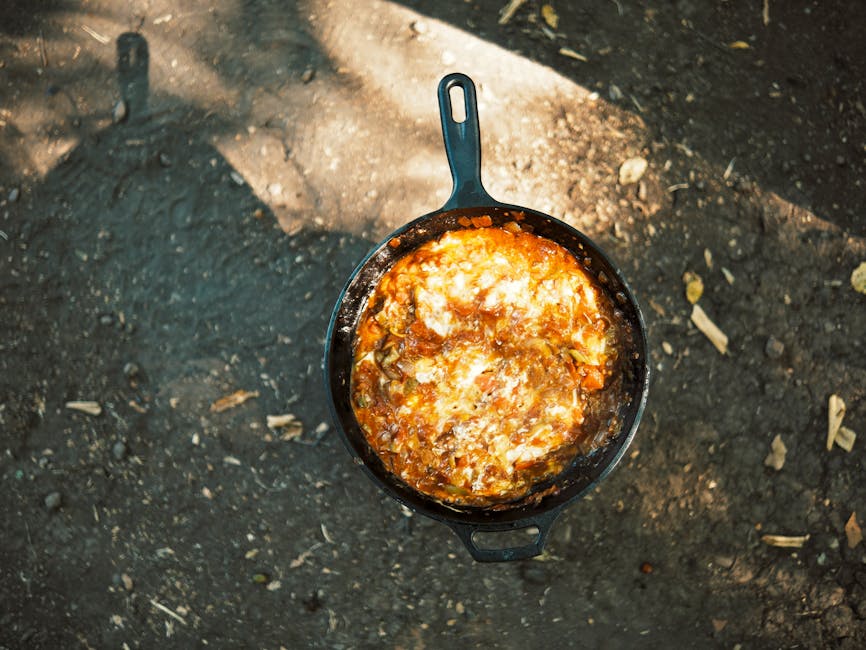
**Bare cast iron gets hotter.** You can crank it on a campfire, blast it under a broiler, or preheat it in a 500°F oven without a second thought. I’ve seared steaks in my Lodge skillet at screaming-high temperatures that I’d never attempt with my Le Creuset. The enamel can crack under extreme thermal stress, especially if you heat it dry too aggressively or hit it with cold water while it’s hot.
**Enameled cast iron is better for acidic foods.** This is a big one. Tomato sauce, wine braises, citrus — all of that will slowly strip seasoning off bare cast iron and can impart a faint metallic taste. In enameled cookware, none of that matters. My go-to Sunday red sauce gets made in a Staub cocotte every single time because I don’t want to think about it.
Enameled also wins on moisture retention. Staub’s interior lid design — those little bumps on the underside — drips condensation back onto the food. The braises I make in there are noticeably juicier than anything I’ve done in a bare cast iron Dutch oven.
Bare cast iron wins for crust. A cast iron skillet’s rough, seasoned surface creates a crust on cornbread, pancakes, and seared meat that a smooth enamel surface just doesn’t quite match. It’s a texture thing.
—
## Maintenance and Care: The Honest Truth
This is where people get intimidated, usually unnecessarily, but sometimes for good reason.
**Bare cast iron** needs to be dried completely after washing — and you should wash it, despite what your uncle tells you. A little dish soap won’t destroy your seasoning. What destroys seasoning is leaving it wet. After washing, dry it on the stove over low heat, rub a tiny amount of oil in, and you’re done. It takes two minutes. But if you forget, or leave it in the sink, or let your roommate put it in the dishwasher, you’ll have rust. Real, orange rust that you’ll need to strip and re-season from scratch.
I’ve done it. It took an afternoon and some steel wool and I was fine. But it’s annoying.
**Enameled cast iron** is dramatically easier to maintain. No seasoning required. You can use soap freely. Some pieces are dishwasher-safe, though I’d hand-wash anything over $100 out of basic respect for the thing. The main risks are chipping — don’t bang it on your sink edge — and staining on the light-colored interiors. Le Creuset’s cream interior shows tomato stains like crazy. A 10-minute soak with baking soda usually fixes it, but it’s an extra step that bare iron never requires.
Neither is difficult. But bare iron demands more consistency, and enameled iron demands more care about physical damage.
—
## Price and Value: What You’re Actually Paying For
Here’s a comparison to make this concrete:
| Feature | Bare Cast Iron | Enameled Cast Iron |
|—|—|—|
| Entry price (skillet) | ~$20–$40 (Lodge) | ~$60–$100 (budget brands) |
| Premium price | ~$100–$200 (Field, Smithey) | ~$250–$450 (Le Creuset, Staub) |
| Acidic food safe | No | Yes |
| Requires seasoning | Yes | No |
| Can use high heat | Yes (unlimited) | Yes (with care, up to ~500°F) |
| Dishwasher safe | No | Some models |
| Risk of rust | Yes | No |
| Risk of chipping | No | Yes |
| Lasts forever if cared for | Yes | Yes |
| Best for | Searing, frying, camping | Braising, soups, sauces |
A $35 Lodge 12-inch skillet has outperformed $150 pans in my kitchen for years. The cast iron snobs who insist on smooth vintage Griswold pieces aren’t wrong that old iron is nice, but Lodge is genuinely excellent for the price.
On the other end, my Le Creuset 5.5-quart Dutch oven cost me $380 on sale. Worth it? For braising short ribs twice a month for ten years, absolutely yes. Would I have said that at 24 with $380 in my bank account? No.
—
## Which One Should You Actually Buy First
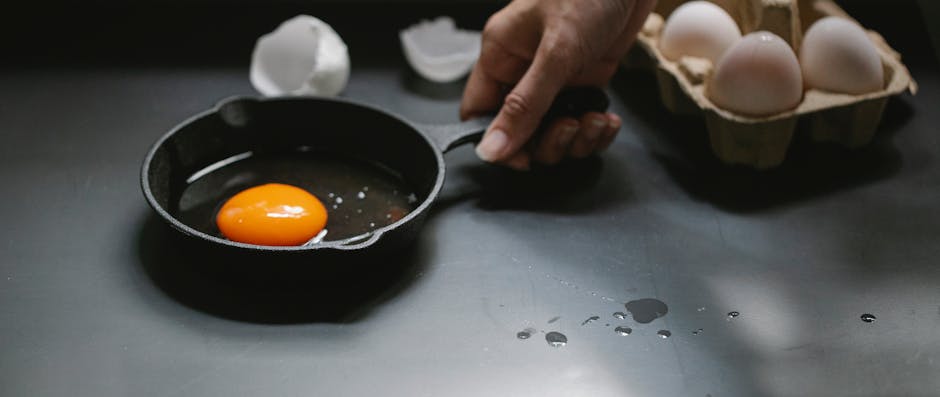
If you’re starting from scratch and can only buy one piece: **get a bare cast iron skillet.** A Lodge 12-inch. Done. It costs $35, you’ll use it for eggs, steaks, cornbread, roasted chicken thighs, and probably another 40 things. The learning curve for seasoning takes about two weeks of regular use before it starts feeling like a non-stick pan.
If you already have a good skillet and you’re looking to expand: **get an enameled Dutch oven.** Not necessarily Le Creuset — Staub is equally good, arguably better for braising, and often slightly cheaper. Amazon Basics and Cuisinart make budget-friendly enameled Dutch ovens in the $50–$80 range that work fine if you’re not ready to commit to the premium price.
If you’re cooking for a large family, making a lot of soups and braises, or specifically want something for acidic long-cooks: enameled all the way.
If you camp, grill, or cook over a real fire, or you just want something indestructible that you never have to baby: bare cast iron all the way.
Honestly? The ideal answer is both. They do different things well enough that in a fully equipped kitchen, you want a bare iron skillet *and* an enameled Dutch oven. But that’s a decision you can make over time, not all at once.
—
## Frequently Asked Questions
**Q: Can I use bare cast iron on a glass or ceramic cooktop?**
**A:** Yes, but carefully. Cast iron is heavy and the rough bottom can scratch glass cooktops if you slide it around. Always lift, never drag. Some people avoid it entirely; others use it without issue for years. I’d say it’s fine as long as you’re not careless about it.
**Q: Is enameled cast iron actually non-stick?**
**A:** Not in the traditional sense. It’s smoother and easier to clean than bare iron, but it’s not non-stick like Teflon. Eggs will stick. Use enough butter or oil, don’t cook at ripping high heat, and you’ll be fine — but don’t expect it to perform like a Teflon pan.
**Q: Can you restore chipped enamel?**
**A:** No. Once the enamel chips, that spot is exposed iron. Small chips on the exterior are cosmetic only. Chips on the interior cooking surface are more concerning — the exposed iron can rust and the jagged enamel could theoretically end up in food. Le Creuset has a warranty that covers some defects, but chipping from drops usually isn’t covered.
**Q: Does food taste different cooked in bare cast iron?**
**A:** With acidic foods, it can — a slight metallic taste that’s more noticeable in longer cooks. Most people don’t notice it with short cooks. For everyday searing, frying, and baking, bare iron has zero impact on flavor.
**Q: Which brand of enameled cast iron is actually worth the money?**
**A:** Le Creuset and Staub are the benchmarks for a reason — the enamel is thick, the lids fit well, and they genuinely last decades. That said, Lodge’s enameled Dutch oven runs about $80 and performs solidly for everyday cooking. The main difference at the premium price point is fit, finish, and longevity of the enamel coating.
**Q: Can bare cast iron go in the oven?**
**A:** Completely. No temperature limits. Unlike pans with plastic handles or non-stick coatings, bare cast iron is entirely oven-safe at any temperature your home oven can reach. It’s one of the best things about it.
—
## The Bottom Line
Neither enameled nor bare cast iron is objectively better — they’re genuinely built for different purposes, and the right answer depends on how you actually cook. Start with a bare cast iron skillet if you want one versatile, affordable, nearly indestructible piece. Add an enameled Dutch oven when you’re ready, and you’ll have covered 80% of what a serious home cook needs. Cast iron of any kind rewards patience and regular use — buy once, cook forever.