Tri-Ply vs Five-Ply Stainless: Is the Upgrade Worth It?
I've burned things in both. Spent real money on both. And I have strong opinions about which one actually belongs in your kitchen — and which one the cookware industry uses mostly to justify a higher price tag. Let's get into it.
Heads up: some links below are affiliate links — if you buy, we get a small cut at no extra cost to you.
What "Ply" Actually Means (And Why It's Not Just Marketing)
Okay, quick primer — because this matters more than most people think.
"Ply" refers to the number of bonded metal layers in the pan. Tri-ply is three layers: stainless steel on the outside, aluminum in the middle, stainless steel on the cooking surface. Five-ply adds two more layers — usually another round of aluminum and stainless, or sometimes a stainless core sandwiched between aluminum layers, depending on the brand.
The whole point is heat distribution. Aluminum spreads heat fast and evenly. Stainless is durable, non-reactive, and gives you that great sear. The layers work together so you don't get those annoying hot spots that scorch your onions in one spot and leave them raw six inches away.
More layers sounds better. It's intuitive. But here's where it gets interesting — the thickness of those layers matters just as much as the count. A thick, well-constructed tri-ply can absolutely outperform a thin, poorly made five-ply. The number on the box doesn't tell you everything.
All-Clad's D3 line is the classic tri-ply benchmark. Their total pan thickness runs around 2.6mm. Their D5 (five-ply) runs about 2.9mm. That's the entire difference in thickness we're talking about. Not massive. But it does add up in real cooking behavior.
How They Actually Perform in the Kitchen
Here's where I'll give you the honest truth: for 90% of everyday cooking, you will not notice a difference.
Sautéing vegetables. Searing chicken thighs. Making a pan sauce. Boiling pasta water. Tri-ply handles all of this beautifully. My All-Clad D3 skillet has been in rotation for six years and it's never let me down on any of those tasks.
Where five-ply starts to pull ahead — slightly — is in two specific situations.
First: low and slow cooking. Reducing a delicate beurre blanc, making caramel, melting chocolate over direct heat. Five-ply is more forgiving here because the extra layers act as a kind of buffer. Heat changes happen more gradually. You get more time to react before something scorches. I noticed this when I borrowed a friend's Made In five-ply saucepan for a hollandaise I was making. It held temperature more steadily than my tri-ply saucepan from the same price tier.
Second: large format cooking over uneven burners. Gas burners with those annoying off-center flames, or electric coil burners that heat unevenly across the surface. Five-ply's extra mass distributes those inconsistencies better. If you've got a perfectly calibrated induction burner? Honestly, the difference shrinks even further.
But — and I want to be real with you — we're talking about marginal gains. Not night-and-day differences. If someone told you five-ply made them a better cook, they're confusing correlation with causation. A $180 five-ply pan isn't cooking your food. You are.
Tri-Ply vs Five-Ply: Head-to-Head Comparison
| Feature | Tri-Ply | Five-Ply |
|---|---|---|
| Layer count | 3 | 5 |
| Typical thickness | ~2.4–2.6mm | ~2.6–3.0mm |
| Heat distribution | Excellent | Excellent to exceptional |
| Heat retention | Good | Very good |
| Responsiveness | Fast | Slightly slower |
| Weight | Lighter | Heavier |
| Price range | $80–$200 per piece | $120–$350 per piece |
| Best for | Everyday cooking, searing, sautéing | Delicate sauces, uneven burners, slow cooking |
| Top brands | All-Clad D3, Made In Tri-Ply, Tramontina | All-Clad D5, Made In Five-Ply, Demeyere Atlantis |
| Oven safe (typical) | Up to 500–600°F | Up to 500–600°F |
One thing that table doesn't capture: responsiveness. Tri-ply reacts faster when you adjust your burner. That's actually useful when you're searing a steak and need to back off the heat quickly. Five-ply's extra thermal mass means it holds heat longer — which is great for sauces, occasionally annoying for high-heat cooking where you need quick control.
The Brand Factor (Because Not All Plies Are Created Equal)
This is where I get a little fired up.
A $45 five-ply set from some brand you've never heard of on Amazon is not competing with All-Clad D5. The number of layers means nothing if the construction is sloppy, the aluminum core is wafer-thin, or the stainless cooking surface is so rough it sticks to everything.
Brands I actually trust in tri-ply: All-Clad D3 is the gold standard. Heavy, well-made, lasts decades. I have a D3 sauté pan that's been through hell and still looks almost new. Made In's Tri-Ply is legitimately good and usually about 20–30% cheaper than All-Clad for comparable quality — the 10-inch skillet retails around $99 and it cooks beautifully. Tramontina is the budget pick that overperforms — their tri-ply 12-inch skillet runs about $35–45 and will embarrass pans that cost three times as much.
For five-ply: All-Clad D5 is the obvious choice. The brushed finish hides scratches better than the D3 polished look. Made In Five-Ply is solid and worth looking at if All-Clad pricing makes you wince. And then there's Demeyere — Belgian-made, obsessively engineered, their Atlantis line is seven layers and genuinely different from everything else. But you're paying $200+ per piece. That's a different conversation entirely.
The honest take? Buy the best tri-ply you can comfortably afford before you even think about five-ply. A quality All-Clad D3 or Made In tri-ply will serve you better than a mediocre five-ply from a brand cutting corners.
The Price Question Nobody Wants to Answer Directly
Let's put real numbers on this.
All-Clad D3 10-inch skillet: around $100–$120.
All-Clad D5 10-inch skillet: around $140–$165.
That's a roughly $40–50 premium for the upgrade within the same brand. For a single pan. Now multiply that across a full set and you're potentially looking at an extra $200–400 for the whole collection.
Is that worth it? For most home cooks: probably not. If you cook professionally at home — meaning you're doing intricate French sauces, you cook every single day, you care about equipment as much as technique — maybe yes.
I'll tell you what I did: I built a mixed setup. My skillets are All-Clad D3. My saucepans are All-Clad D5. The saucepans get used for things where slow, even heat really matters. The skillets need that quick responsiveness I mentioned. It cost more than going all tri-ply, but less than going all D5.
That hybrid approach is genuinely underrated. Nobody talks about it enough.
Who Should Actually Buy Five-Ply
Stop me if this sounds like you.
You make a lot of sauces. You're on a gas stove with uneven burners and hot spots drive you crazy. You cook on high heat frequently and you want the extra buffer. You keep pans for 10+ years and the marginal cost per use basically evaporates. Or — honestly — you just want the best and the premium feels worth it for the enjoyment of using great tools. That's a totally valid reason. Cookware you love to use is cookware you'll actually use.
But if you're primarily searing, roasting, doing weeknight stir-fries and pasta nights? Tri-ply is not holding you back. Not even a little.
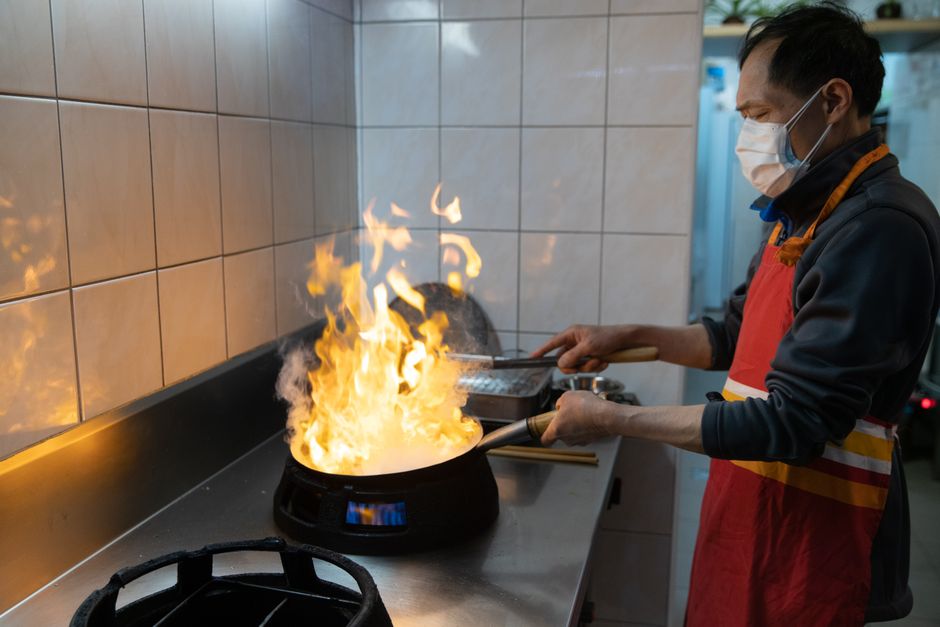
The only category where I'd push back against five-ply universally: woks and high-heat stir-fry pans. You want fast, responsive heat there. Carbon steel or a thinner pan wins every time over a thick five-ply for that application. Five-ply is not the answer to every cooking problem.
Frequently Asked Questions
Q: Is five-ply stainless worth the extra cost over tri-ply?
A: For most home cooks, no — tri-ply from a quality brand like All-Clad or Made In performs excellently for everyday cooking. Five-ply earns its price for delicate sauce work, uneven stovetops, and cooks who prioritize heat retention over responsiveness.
Q: Does more layers mean better heat distribution?
A: Not automatically. Layer thickness and aluminum quality matter more than raw layer count. A thick, well-made tri-ply will outperform a thin, cheaply constructed five-ply every single time. Don't let the number fool you.
Q: Which is better for gas stoves — tri-ply or five-ply?
A: Five-ply handles uneven gas burners slightly better because the extra mass buffers hot spots. If your burners are older or run hot on one side, five-ply is worth considering. On newer, well-calibrated burners, the difference shrinks considerably.
Q: Can you tell the difference between tri-ply and five-ply just by cooking with them?
A: Honestly, for most tasks — no. Side by side, doing caramels or delicate reductions, a careful cook might notice five-ply is more forgiving. For searing, sautéing, or boiling? The pans perform nearly identically in everyday use.
Q: Is All-Clad D5 worth it over D3?
A: If you're cooking on gas with hot spots or you do a lot of sauce work, D5 is a real upgrade. For induction or electric cooking, D3 is more than enough and saves you money. The D5 brushed finish also hides wear better, which matters if you care about long-term appearance.
Q: What's the best budget alternative to expensive five-ply?
A: Tramontina's tri-ply line is genuinely impressive for the price — around $35–50 for a solid skillet. It won't match All-Clad build quality long-term, but it cooks exceptionally well for the money and is a smarter buy than cheap five-ply from an unknown brand.
The Bottom Line
Tri-ply is not a compromise — it's a mature, excellent technology that makes great food in skilled hands. Five-ply offers real but modest advantages in specific cooking situations, and whether those advantages justify a 30–50% price premium depends entirely on how you cook. Build your kit around quality tri-ply first, consider five-ply for saucepans if your budget allows, and ignore the layer count entirely when buying from brands you've never heard of. The pan matters less than the cook — but a well-made pan in the right hands is a genuinely satisfying thing.