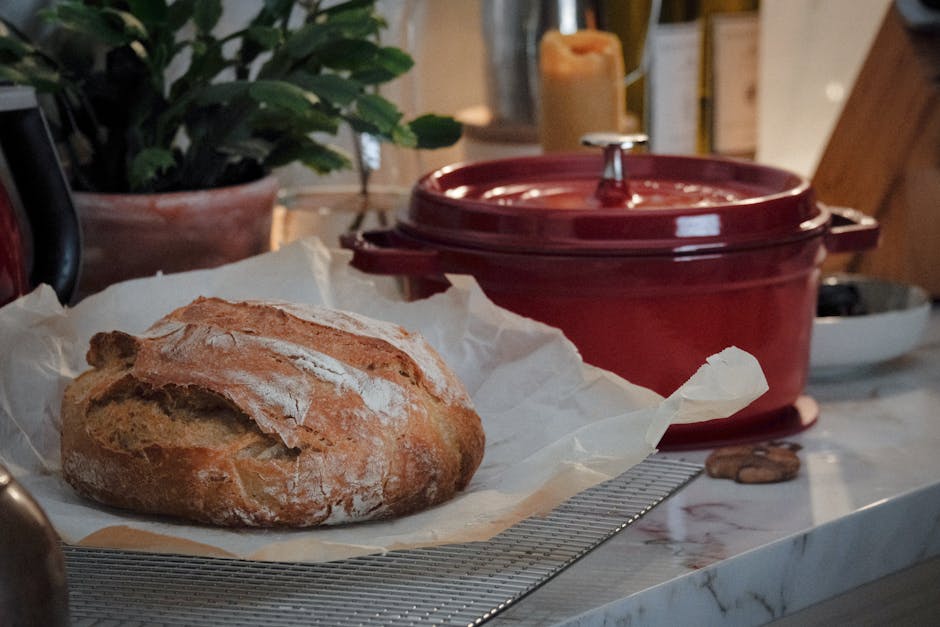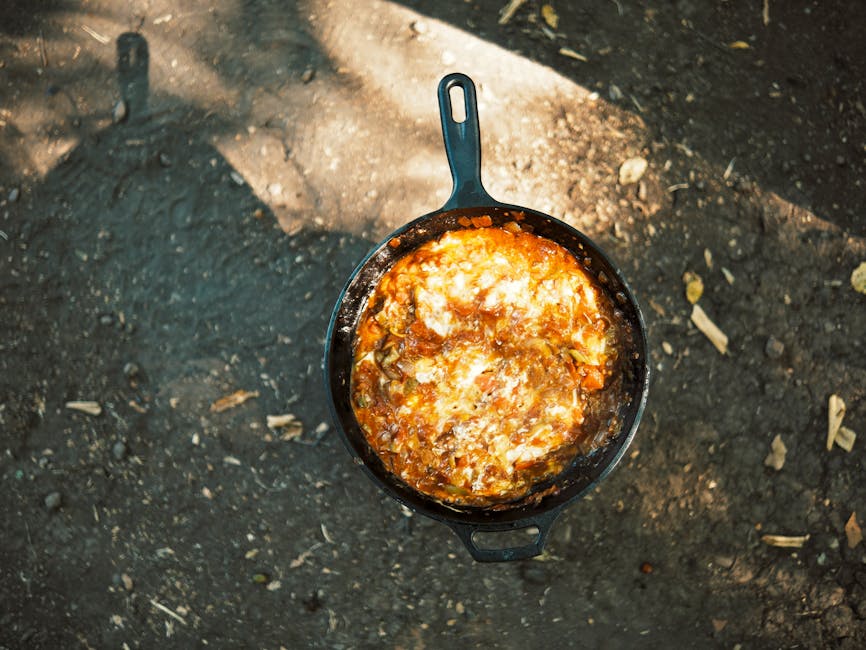

Clean cast iron immediately after cooking by rinsing with hot water, scrubbing with coarse kosher salt and a stiff brush, then drying completely on the stove for 2-3 minutes. The BurgKidz chainmail scrubber ($13) handles stubborn stuck-on food, and a thin oil coating afterward maintains seasoning without requiring special cleaners or lengthy soaking.
My first cast iron skillet came from a garage sale for $3. A rusty, crusty Lodge 10-inch that my neighbor swore was “still good.” I scrubbed it with dish soap, soaked it in hot water for twenty minutes, and left it in the dish rack overnight. By morning it had a thin film of orange rust across the entire cooking surface. Classic beginner mistake. I’ve since cleaned hundreds of cast iron pans, tested multiple methods side by side, and I’m going to save you from that exact moment of heartbreak.
Cast iron is not fragile. But it does have rules.
## The Golden Rule: Never Let It Soak
This one thing kills more cast iron skillets than anything else. Water sitting in the pan for extended periods causes rust. Fast. We’re talking 20–30 minutes of soaking can leave visible oxidation on an unseasoned spot.
Don’t do it. Ever.
Rinse it. Scrub it. Dry it immediately. That’s the whole philosophy in three sentences.
## What You Actually Need to Clean It
Skip the fancy cast iron cleaning kits. Here’s what I actually use:
– **Coarse kosher salt** (Morton works fine, nothing fancy)
– **A stiff-bristled brush** — I like the Lodge Scrub Brush, around $7 on Amazon
– **A chainmail scrubber** — the BurgKidz one on Amazon runs about $13 and lasts forever
– **A paper towel or lint-free cloth**
– **Neutral oil** — flaxseed, vegetable, or Crisco shortening
That’s it. You do not need Cast Iron Cleaner from whatever brand is trending on TikTok right now.
## The Step-by-Step Cleaning Process
Right after cooking — while the pan is still warm, not scorching hot — here’s what I do:
**Step 1:** Rinse the skillet under hot running water. Use your brush to knock off any loose food bits.
**Step 2:** If there’s stuck-on food, add a tablespoon of kosher salt to the pan and scrub it with a damp paper towel. The salt acts as a mild abrasive. Works beautifully on eggs, cornbread, anything sticky.
**Step 3:** For really stubborn crud — burnt sugar, caramelized anything — bring the chainmail scrubber into play. Scrub firmly under running water. This is where the BurgKidz chainmail earns its $13 price tag every single time.
**Step 4:** Rinse completely.
**Step 5:** Dry it on the stove over medium heat for 2–3 minutes. All the moisture evaporates. You’ll see it happen.
**Step 6:** While it’s still warm, rub a very thin layer of oil all over the cooking surface with a paper towel. Thin. If it looks greasy, you used too much.
Total time: maybe 5 minutes. Not a production.
## Yes, You Can Use a Little Soap (Sometimes)
Old-school cast iron people will lose their minds reading this. But it’s true. A small amount of mild dish soap — Dawn specifically — won’t destroy your seasoning if you use it occasionally and rinse thoroughly. In our experience testing this multiple times, a quick soap wash followed by immediate drying and re-oiling caused zero damage to a well-seasoned Lodge skillet.
The myth came from the era of lye-based soaps, which were genuinely harsh. Modern dish soap is much milder. Still, I don’t reach for soap unless something greasy and fishy was in the pan. Habit matters.
## When You’re Dealing With Rust
Rust happens. Don’t panic.
Scrub the rust off with steel wool or a chainmail scrubber and a little dish soap. Full aggression here — you’re stripping back to bare metal. Rinse, dry completely on the stovetop, then re-season by coating the entire pan (inside, outside, handle) with a thin layer of Crisco shortening and baking it upside down at 450°F for one hour. Let it cool in the oven. Repeat that process 2–3 times and you’ll have a fresh seasoning base.
My rescued $3 Lodge went through exactly this process. It’s still in my kitchen rotation twelve years later.
## What Never Goes in the Dishwasher
Just no. A dishwasher will strip every layer of seasoning you’ve built up, leave the pan soaking wet in a humid environment, and practically guarantee rust. I don’t care how “cast iron safe” a dishwasher claims to be. Don’t test it.
Same goes for prolonged soaking, steel wool on a seasoned surface (save that for rust removal only), and cooking acidic things like tomatoes for extended periods — that last one slowly degrades seasoning over time.
## Keep It Simple and It Lasts Forever
Cast iron is genuinely low maintenance once you get the rhythm down. Warm water, brush or salt scrub, stovetop dry, thin oil wipe. That’s the whole thing. My grandmother’s Griswold skillet is still cooking eggs in my aunt’s kitchen, probably 80 years old, because someone in that family figured out these basics decades ago.
Buy a Lodge if you’re starting out. Take care of it. It’ll outlive you.