Budget Dutch ovens under $90 like Lodge models work as well as $300 Le Creuset versions when you avoid thermal shock, excessive heat, and wet stacking. Most failures stem from preventable mistakes that warp bases, crack enamel, or cause rust within the first month of ownership.
A $40 Dutch oven can work just as well as a $300 one if you don’t sabotage it in the first month. Most people wreck budget pans through mistakes that seem harmless—thermal shock from a cold rinse, cranking the heat too high, or stacking them wet in the cabinet. These oversights don’t just shorten the lifespan; they can warp the base, crack the enamel, or cause rust that makes the pan unusable. Since budget-conscious cooks are already stretching their dollars, learning what actually kills these pans matters. You’re searching this because you either just bought an affordable Dutch oven and want to keep it working, or you’re tired of watching your cookware fail faster than it should.
The Short Answer
What a Dutch Oven Actually Is
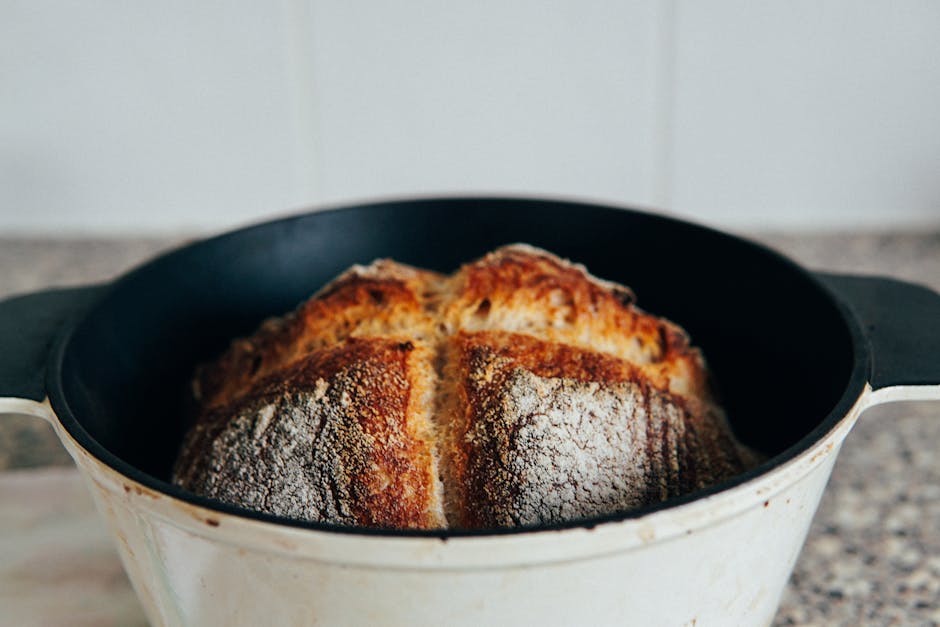
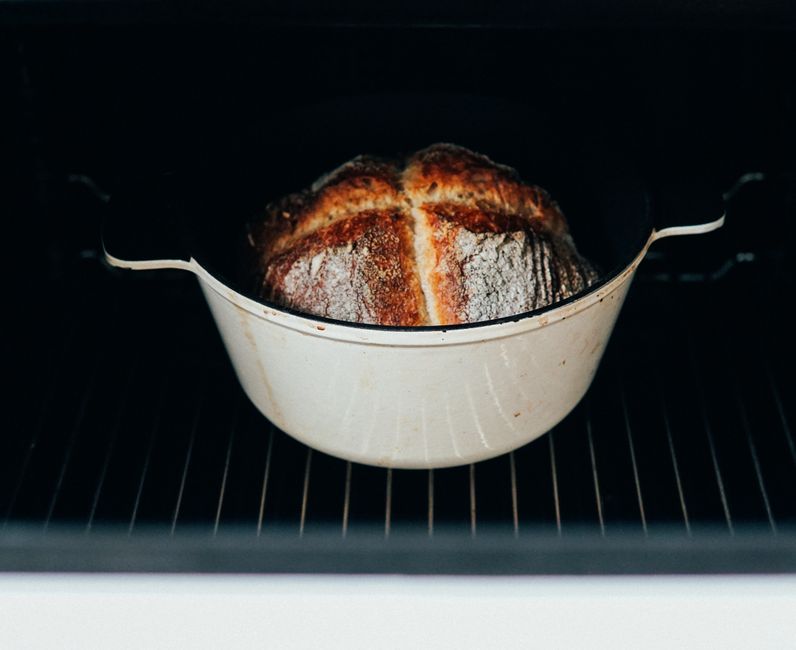
A Dutch oven is a heavy-bottomed pot with a tight-fitting lid, typically made from cast iron with an enamel coating, though uncoated cast iron and stainless steel versions exist. The defining feature is the weight—usually 5 to 7 pounds for a 5-quart model—and the lid’s seal, which traps steam during brising, stewing, and slow cooking. The enameled version became the standard after Lodge and Le Creuset commercialized the process in the mid-20th century, though the basic design goes back further.
The name’s origin is genuinely murky. The most plausible explanation is that Dutch traders or craftspeople brought the design to England in the 17th century, and “Dutch” simply became the label for anything imported from the Low Countries—much like “Dutch auction” or “going Dutch.” Some sources claim the term originated from the casting process itself, but that’s less supported. Regardless, by the 1700s, English cookbooks reference “Dutch ovens” as cooking vessels, and the term stuck across the Atlantic.
What matters for your kitchen: a Dutch oven needs to go from stovetop to oven without cracking, handle acidic food without stripping its coating, and survive years of heavy use. The enameled cast-iron versions from Lodge ($40–$90) and Le Creuset ($300+) dominate because the enamel prevents rust and seasoning upkeep, while the cast iron core distributes heat evenly. Budget versions fail when the enamel chips or the lid doesn’t seal properly—both fixable problems if you know what to look for.
How We Got Here
Cast Iron’s Journey from Industrial Standard to Kitchen Staple
Cast iron cookware didn’t start as a luxury item—it was the workhorse of American kitchens because it was cheap to manufacture and lasted forever. The technology itself goes back centuries, but the turning point for American home cooking came in the 1890s, when mass production made cast iron affordable enough for ordinary households. Lodge Manufacturing, still operating today in Tennessee, started casting skillets in 1896 and became the dominant domestic producer.
For most of the 20th century, cast iron was just… there. Grandmothers used it. It was ordinary. But something shifted around 2010. Food media began celebrating cast iron’s heat retention and the way it seasons over time, building a nonstick patina that improves with use. The resurgence coincided with growing skepticism about nonstick coatings like PTFE and a broader interest in durable, low-tech cooking equipment.
Today, cast iron sits in a weird space. Lodge still dominates the new-cookware market—you can buy a 12-inch skillet for $35–50. Vintage cast iron from defunct brands like Griswold or Wagner commands collector prices because people believe older casting was smoother. That’s partly true; older pieces were machine-finished, while modern Lodge uses a rougher sand-cast surface.
The reality now: cast iron works exactly as it did in 1920. It heats evenly, holds heat tenaciously, and tolerates high temperatures. What changed is perception. It went from assumed to intentional. You’re not using cast iron because your parents did; you’re using it because you decided a pan that’ll outlast you makes sense. The equipment hasn’t evolved. Our reasons for choosing it have.
Why It Matters
Cast iron has become genuinely hard to find in good condition. The cookware market shifted decades ago toward nonstick and stainless steel, which meant manufacturers stopped making quality cast iron for everyday cooks. What’s available now is either vintage (increasingly expensive), mass-produced imports (often poorly finished), or small-batch domestic pieces (premium pricing).
This matters because cast iron does something no other cookware does reliably. It distributes heat evenly across the cooking surface without hot spots, it lasts indefinitely with basic maintenance, and it works on any heat source—gas, electric, induction (with the right pan), campfire. Replacing a damaged nonstick pan every 2–3 years costs $30–80 per cycle. A cast iron skillet costs $25–150 once and functions for 40+ years.
The numbers: Americans throw away roughly 23 million tons of cookware annually, much of it nonstick that can’t be recycled and leaches PFOA during manufacturing and use. Cast iron, by contrast, is 100% recyclable and inert in cooking.
Who this affects: renters who need portable cookware, people on fixed incomes who can’t absorb equipment replacement costs, anyone cooking on multiple fuel sources, and home cooks who’ve inherited family skillets and want to keep them functional. Restaurant kitchens know this—most still use cast iron for specific tasks because nothing else performs the same way under sustained heat.
The practical consequence: if you own cast iron, it’s worth understanding how to maintain it. If you don’t own any, sourcing a usable piece now is cheaper than waiting five years. Prices for quality vintage iron have climbed 40–60% in the past decade as supply tightens and interest grows.
Examples
What This Actually Looks Like in Practice
Cast Iron Seasoning Over Years
A 10-inch Lodge cast iron skillet bought for $30 in 2015 develops a genuinely non-stick surface after three years of regular cooking—frying eggs, searing meat, making cornbread. The seasoning isn’t some miracle coating; it’s just polymerized oil buildup from actual use, and by year five it outperforms most non-stick pans that cost three times as much. The catch is consistency: use it, wash it hot, oil it, and repeat.
Stainless Steel Cookware Thermal Response
A All-Clad 12-inch stainless skillet ($200–250) heats noticeably faster and more evenly than a $40 Tramontina equivalent, which matters when you’re deglazing a pan or trying to get a proper fond for sauce. The difference shows up in the base: All-Clad uses a thick aluminum core sandwiched between layers of stainless, while budget models often skip the sandwich and just use thinner construction. After six months of regular kitchen use, the thermal behavior stays consistent; cheaper pans can develop hot spots as the bond between layers separates.
Nonstick Coating Degradation
A T-fal Ultimate hard anodized nonstick pan ($20) releases food reliably for about two years with normal home cooking—scrambled eggs, sautéed vegetables, the occasional omelet. By year three, you notice sticking increasing, especially at higher temperatures, and by year four it’s noticeably worse than when new. This isn’t failure; it’s expected wear from heat cycles and utensil contact, and the cost-per-year math often makes replacing it sensible rather than fighting it.
Carbon Steel Break-In Period
A Smithey carbon steel skillet requires roughly 10–15 cooking sessions before it develops enough seasoning to rival cast iron’s non-stick properties. Use it for roasted vegetables, sautéed greens, and pan-seared chicken, and by week four it performs noticeably better at release than it did new. The effort pays back over years, but there’s no shortcut—the seasoning builds gradually.
Related Questions
Can you use cast iron on a glass cooktop?
Yes, but with care. Cast iron’s rough bottom can scratch glass, so lift it straight up rather than sliding it. Flat-bottomed cast iron works better than vintage pieces with warped bases. Some people place a thin trivet underneath, though you’ll lose some heat transfer. Glass cooktops heat slower with cast iron than with cookware designed for them, so expect slightly longer cooking times.
What’s the difference between enameled and bare cast iron?
Enameled cast iron has a porcelain coating that doesn’t require seasoning and resists rust—no stripping or maintenance. Bare cast iron needs seasoning and regular upkeep but develops a natural nonstick patina over time. Enameled versions like Le Creuset cost $200–$400, while bare cast iron like Lodge runs $30–$80. Pick enameled if you want convenience; bare if you enjoy the maintenance ritual and want to save money.
Does cast iron rust if you wash it?
Not if you dry it immediately. Water itself doesn’t ruin cast iron—it’s prolonged moisture that causes rust. Wash with hot water and a brush or sponge, dry thoroughly with a towel within seconds, then wipe a tiny bit of neutral oil on the surface while it’s still warm. Store it in a dry cabinet, not on an open rack.